
· By Ian Mclennan
Feeling There: What VR Research Says About Turning Viewers Into Visitors
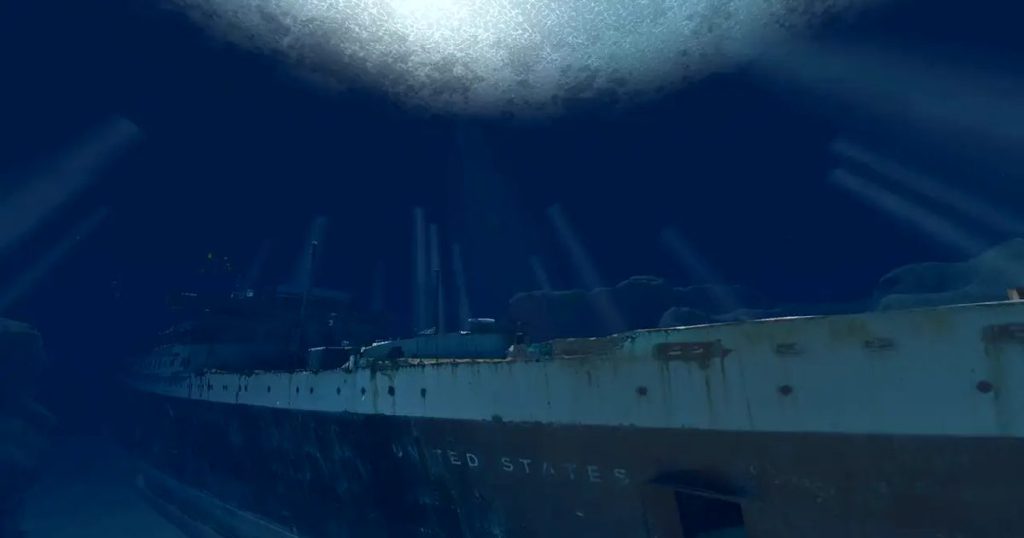
Does VR make people want to visit a place? A 2018 study in Tourism Management of 926 people found that it can, and that the cause is presence: the sense of being in a place rather than looking at a picture of it. That matters to anyone using VR or 360 video to sell dives, because presence is something you can build into the footage.
What the VR presence study did
The researchers (Tussyadiah, Wang, Jung and tom Dieck) ran two studies: one in Hong Kong with 202 participants and one in the UK with 724. Participants experienced a tourism destination through 360-degree VR, then reported how present they felt, how much they enjoyed it, how they felt about the destination, and whether they intended to visit.
What the study found
The results form a chain:
- Feeling present in the virtual environment increased enjoyment of the VR experience.
- A stronger feeling of being there produced stronger liking and preference for the destination.
- That more positive attitude led to a higher intention to visit.
The authors conclude that the study gives empirical evidence that VR can shape consumers’ attitudes and behaviour. For a dive shop, the useful part is the middle link. The feeling of being there is what changed how people felt about the place. Putting them in a headset wasn’t enough by itself.
What the study doesn’t tell you
The limits shape how you use the finding:
- It measured intention, not bookings. Wanting to visit is a step toward a purchase. It isn’t the purchase.
- It studied tourist destinations, not dive sites. Diving adds questions a beach doesn’t, like “could I do this safely?”
- It didn’t test which features create presence. It shows presence matters. It doesn’t show how to produce it.
What builds presence in a 360 dive video
This part comes from our own work building VR dives. The study didn’t test it. Footage tends to lose the feeling of being there when the viewer:
- doesn’t know where they are or how deep,
- has nothing to look at in a wall of blue,
- watches the camera spin or lurch when they haven’t moved their head,
- can’t tell how big anything is.
It gains that feeling when the viewer:
- is told where they are, the way a divemaster would in a briefing,
- hears the dive: bubbles, the boat, a guide’s voice,
- has something to follow, like an animal moving toward the best part of the site,
- can act, even in small ways like tapping to learn what they’re looking at.
What this means for your dive shop
Treat “does this make them feel like they’re on the dive?” as the test for every 360 clip you show. A beautiful clip that leaves people lost in open water fails it. A plainer clip with a voice telling them where they are and something to watch often passes.
We covered why typical 360 footage tends to fail that test in Why Most 360 Dive Videos Don’t Sell Trips. For who to show the headset to, see VR Diving for Non-Divers, and for getting from that feeling to a booking, see the Thomas Cook VR trial.
AquaticXR builds guided, interactive VR dives from dive shops’ own footage. See AquaticXR 360, or get in touch if you’d like to see what yours could become.
Sources
- Tussyadiah, I., Wang, D., Jung, T., & tom Dieck, M. (2018). Virtual reality, presence, and attitude change: Empirical evidence from tourism. Tourism Management, 66, 140-154. https://doi.org/10.1016/j.tourman.2017.12.003
Reactions and comments
Comments
No comments yet.
Play it
-
Shipwreck DiscoveryVR dive game · $19.99
-
Lionfish Reef HeroesPhone game · free
-
Follow alongNew dives and clips
Keep reading
-
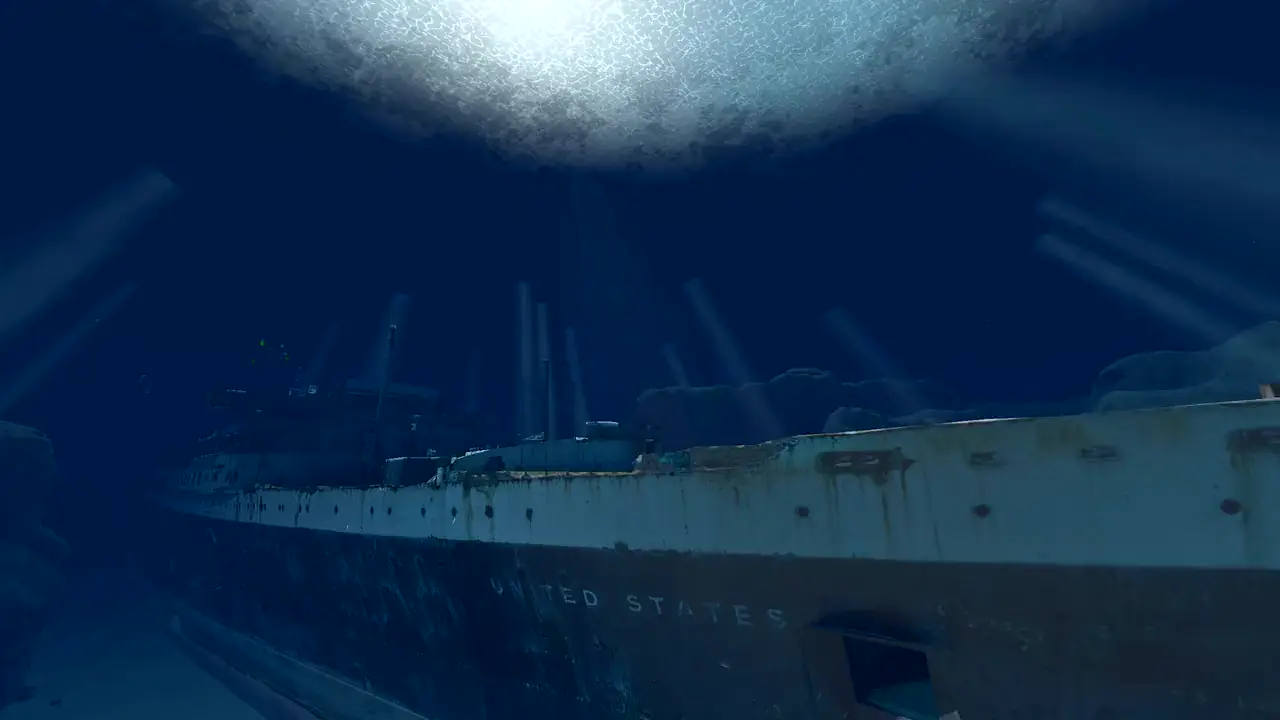
04 · about 180 ft SS United States
SS United States
The 990-foot ocean liner, with a five-minute narrated museum ride from 1952 to today.
Read the story
- PartnersOur partnersReal dive gear, real wrecks and a real lionfish tournament, built into our games.See every story
- OffersWhat we buildVR dive games and simulators, phone games and 360 dive video for dive brands, shops and museums.See the offers
- Dive BlogMore postsRead the blog
Talk to us about your shop
Tell us about your dive shop, your wreck or your gear in a free 15-minute call.