
· By Andrew Rainsberger
VR Diving for Non-Divers: What a 2025 Study Found
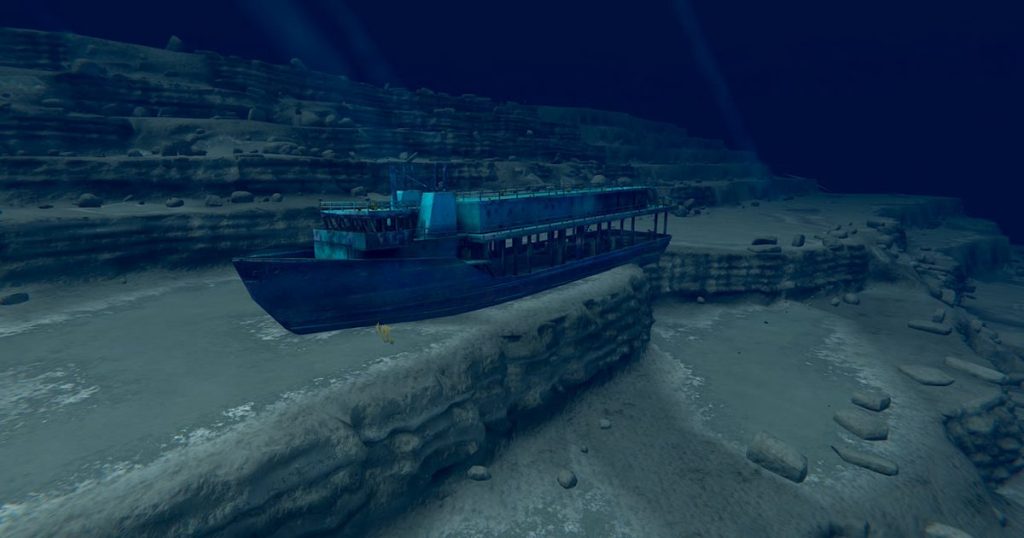
Who should try the VR headset in a dive shop? A 2025 study of 202 divers and non-divers found that non-divers were more positive about VR diving than divers were. In most shops the first people to try the headset are the regulars, because they’re curious and already standing at the counter. The study suggests it does more for the customer who has never been underwater.
What the VR diving study asked
Sophia Elsholz, Alexander Frank, Jakob Korbel and Rüdiger Zarnekow surveyed 202 people in Germany, divers and non-divers, about VR diving as a supplement to real diving. They used the Technology Acceptance Model, a standard way of measuring whether people will take up a technology, extended with a measure of how open each person is to new technology. The study was published in Communication & Sport in 2025.
What the study found about non-divers
- Non-divers had a more positive attitude toward VR diving than divers did. The reasons people accepted it were similar in both groups, but non-divers liked the idea more.
- Four things drove the intention to use VR diving: how useful it seemed, how easy it seemed to use, the person’s attitude toward it, and their openness to new technology.
- Age mattered. People aged 25 to 34 and people over 55 showed the strongest intention to use VR diving.
- The authors point to access. They see VR diving as a way to open diving up to non-divers and to people with physical or financial barriers, and as a training opportunity.
The limits of the study
The participants answered questions about a described scenario. They didn’t try a headset at a dive shop, and everyone surveyed was in Germany. The study measured interest in using VR diving, which is different from interest in booking a real dive. It’s a strong hint about who is receptive. It doesn’t prove that VR converts them.
Who to hand the headset to at your counter
The finding lines up with what a headset can do for a shop. Your regulars already know what’s down there. The person who has never been has the most to picture, and in this study that group was also the more open to it.
Some practical ways to use that:
- Offer it to people asking about a first dive or a try-dive, before they’ve decided.
- Offer it to the non-diving partner or family member waiting while someone else books.
- Don’t assume older customers won’t want it. The over-55 group was among the most interested.
- Make it easy. Ease of use shaped attitudes in the study. Seat people, fit the headset for them, and keep the experience short and guided, so the technology stays out of the way.
- Make it useful to a non-diver. Their real question is “could I actually do this?” Show how a dive starts, who’s with them, how deep the site is, and what it looks like to be calm down there.
What to film for a first-time diver
I work on the art and scenes at AquaticXR, and this finding changes what I’d put in them. If non-divers are your audience, footage made for experienced divers can miss them. A fast drift past a deep wall impresses a diver. A first-timer needs to see the briefing, the descent line, the instructor’s hand signals and a relaxed group, and then the turtle.
In Feeling There we looked at why the sense of being there is what moves people. For a non-diver, being there starts at the surface.
AquaticXR builds guided VR dives from dive shops’ own footage, made to answer a first-timer’s questions. See AquaticXR 360, or get in touch to talk about yours.
Sources
- Elsholz, S., Frank, A., Korbel, J. J., & Zarnekow, R. (2025). Diving in a virtual reality: Investigating technology acceptance. Communication & Sport, 13(6), 1149. https://doi.org/10.1177/21674795251326597
Reactions and comments
Comments
No comments yet.
Play it
-
Shipwreck DiscoveryVR dive game · $19.99
-
Lionfish Reef HeroesPhone game · free
-
Follow alongNew dives and clips
Keep reading
-
01 · 0 ft
 Dive Xtras
 BlackTip Tech scooter
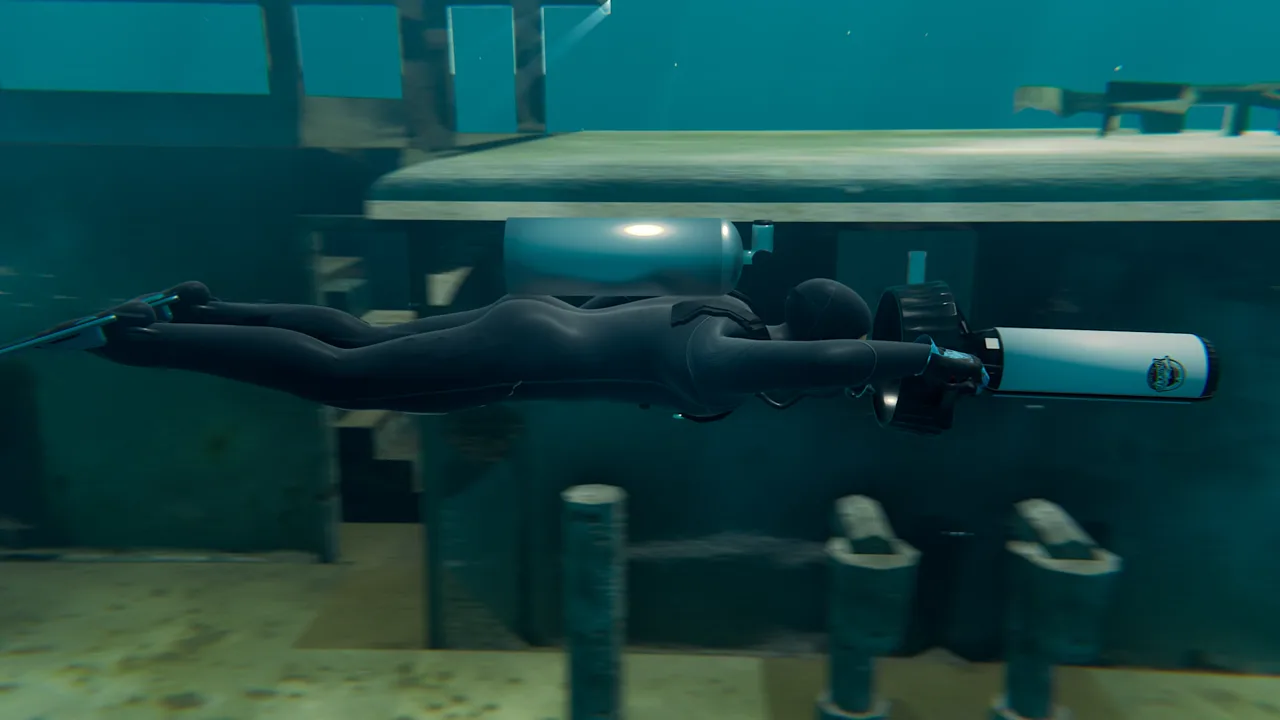
A real dive scooter. Race it around the SS United States, then take the lesson that teaches start, gears, reverse and stop.
Read the story
- PartnersOur partnersReal dive gear, real wrecks and a real lionfish tournament, built into our games.See every story
- OffersWhat we buildVR dive games and simulators, phone games and 360 dive video for dive brands, shops and museums.See the offers
- Dive BlogMore postsRead the blog
Talk to us about your shop
Tell us about your dive shop, your wreck or your gear in a free 15-minute call.